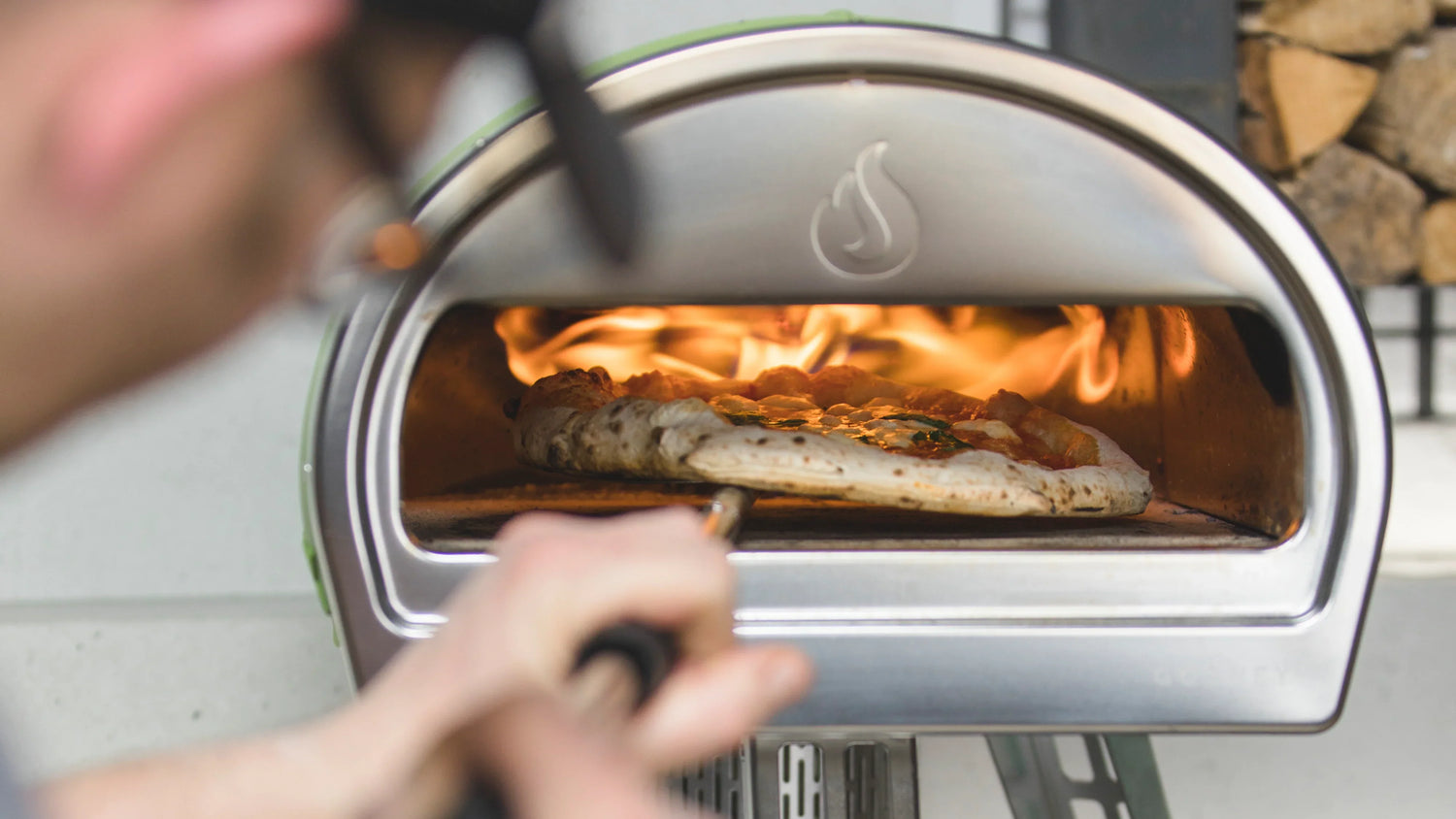
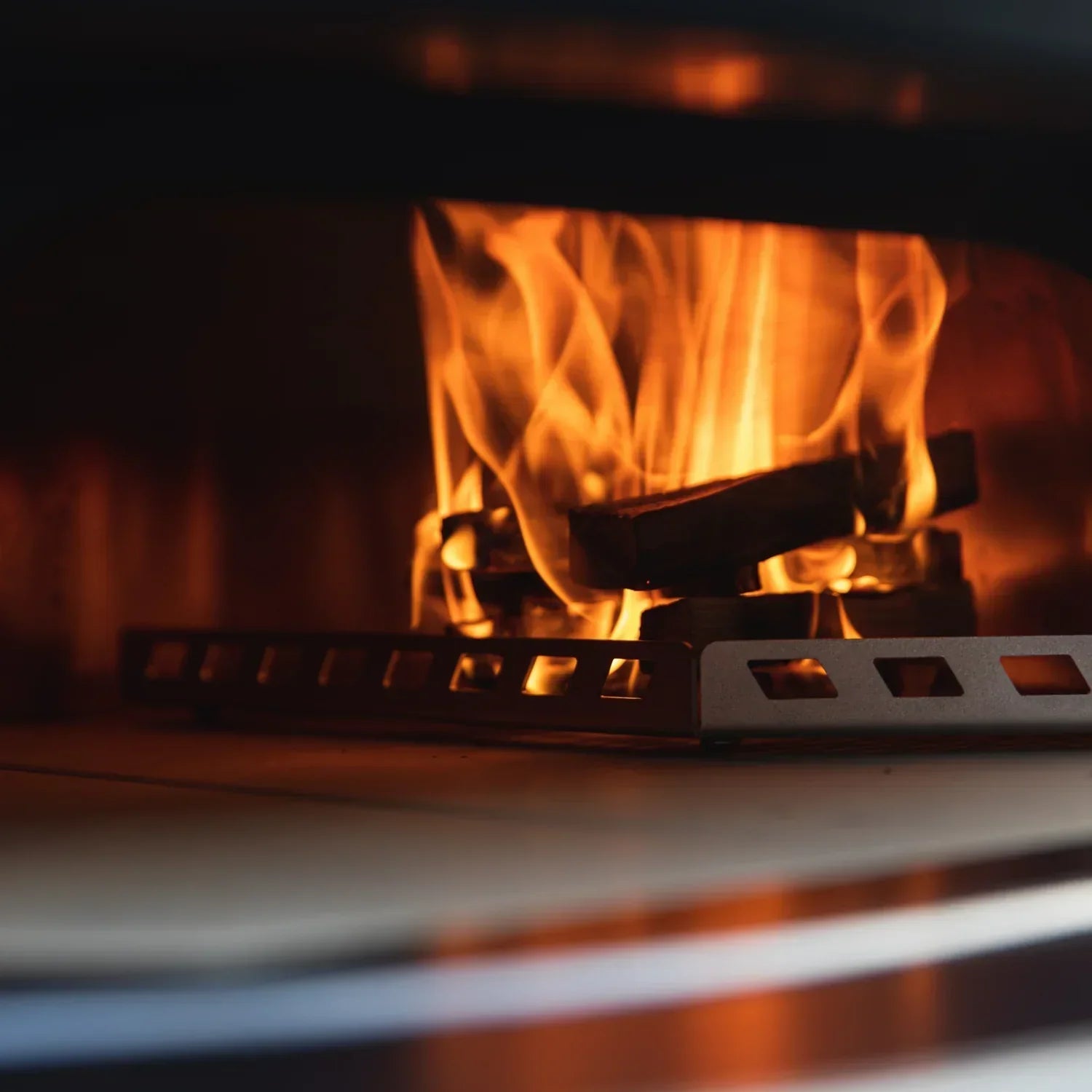
If you're wondering how to build an outdoor kitchen with a pizza oven, the process starts with careful planning. In general, you'll need to choose a suitable location, design a layout that works for your space and cooking style, install a durable foundation, and incorporate essential features such as worktops, storage, utilities, and your chosen pizza oven. Every outdoor kitchen is different, so the exact materials, dimensions, and installation methods will depend on your budget, available space, and intended use.
In this guide, we'll explore practical outdoor kitchen ideas, design considerations, and a step-by-step approach to creating your own outdoor cooking space. Whether you're planning a simple setup or a fully equipped entertainment area, understanding how to build an outdoor kitchen properly can help you avoid costly mistakes and create a space you'll enjoy for years to come.
One of the biggest beginner mistakes people make is rushing into construction without a detailed plan. Failing to consider factors such as workflow, weather protection, utility connections, and appliance placement can lead to expensive changes later. Taking the time to design your outdoor kitchen carefully—especially when incorporating a pizza oven will help ensure a smoother build and a better finished result.

Why Should I Include A Pizza Oven In My Outdoor Kitchen?
A pizza oven earns its place in an outdoor kitchen because it brings something a standard barbecue can’t always offer: intense, controlled heat and a completely different style of cooking. Pizza is the obvious hero, of course, especially when you want crisp bases, blistered crusts and bubbling toppings cooked in minutes. But the real value of a pizza oven is versatility. High-heat cooking opens the door to roast vegetables, flame-kissed seafood, steaks, flatbreads, skillet dishes, baked eggs, charred peppers, roasted fruit and plenty of sharing-style dishes that feel made for outdoor entertaining. In that sense, a pizza oven is not just an appliance; it becomes the centrepiece of the cooking experience.
For a do it yourself outdoor kitchen, this matters because the best DIY builds are not only about looking impressive. They are about making your outdoor space genuinely useful. A barbecue is brilliant for grilling, but a pizza oven adds another layer to what you can serve and how you can host. Picture friends gathered around while pizzas launch one after another, or a family lunch where the oven moves from garlic bread to roast chicken to dessert without anyone having to disappear indoors. That is the magic of designing your outdoor kitchen around active, social cooking.
Planning Your Outdoor Kitchen
Before you build anything, hit pause and plan the practical bones of the kitchen. This is where many outdoor kitchen projects succeed or fail. Considering the following elements when planning your outdoor kitchen will help create a functional layout that works for your requirements.
Space
Start with space, because you need enough room not only for the pizza oven and other appliances, but also for people to move safely around hot surfaces. A compact garden can still work beautifully, but it needs a tighter layout and fewer unnecessary extras. A larger patio gives you more freedom, but it also increases the risk of spreading the cooking, prep and serving zones too far apart. Good design is less about size and more about making each step feel natural.
Air Flow
Next, think about air flow, heat and clearance. Pizza ovens and grills produce high heat, so they need breathing room around them and should not be placed too close to fences, low branches, combustible materials, soft furnishings or covered areas that are not designed for heat. Always follow the manufacturer’s installation and clearance guidance for your specific oven or grill and check local building rules if you are adding utilities, permanent structures or gas lines. Wind direction matters too. If smoke blows directly into your prep area, seating area or back door, the kitchen may look perfect on paper but feel frustrating in real life. This is one reason the question “how do you build an outdoor kitchen?” should always begin with planning, not bricks.
Heat
Heat affects more than just the area immediately around the oven or grill. Think about how heat will radiate into seating areas, walkways and neighbouring appliances during long cooking sessions. Materials matter too. Choosing heat-resistant worktops and finishes around the oven can help protect the kitchen from wear over time. If a pizza oven is going to be the centrepiece of the space, make sure the surrounding layout can comfortably handle the temperatures it produces.
Clearance
Clearance is all about giving yourself enough room to cook safely and comfortably. You need space to move around the oven, turn pizzas, manage hot trays and access fuel or accessories without feeling cramped. Crowding appliances too closely together can make the kitchen awkward to use, especially when multiple people are cooking at once. Leaving generous clearance around key cooking areas will make the entire setup feel more practical and enjoyable.
Preparation Zones
Your preparation zones deserve just as much attention as the cooking appliances. Most of the work happens before food hits the heat: stretching dough, chopping toppings, seasoning meat, dressing salads, moving trays and plating finished dishes. If you make the prep surface too small, you will end up running back inside every five minutes. Features such as storage, fuel space, lighting, seating and shelter can all improve the setup, but the pizza oven should still act as an anchor. Build the kitchen around the cooking experience first, then shape the extras around that.
Features
Once the core layout is in place, you can start thinking about additional features. Storage for ingredients, wood or gas fuels, task lighting for evening cooking, seating for guests and shelter from the elements can all improve the experience. If you plan to keep accessories, peels, cookware or other tools outside, consider how they will be stored securely when not in use. Lockable cabinets, weatherproof storage units and sheltered locations can help protect equipment from both the elements and opportunistic theft.
The temptation is often to add everything at once, but it is usually better to focus on features that support the way you actually cook. The oven or grill should remain the focal point, with every extra feature working to make the cooking process smoother rather than distracting from it.

Choosing Your Pizza Oven
Choosing the right pizza oven depends on how you like to cook, how much space you have and how often you plan to use it. A compact oven can deliver excellent performance in a smaller outdoor kitchen, while a larger model may suit those who regularly cook for groups or want greater flexibility. It is best to choose your oven before finalising the rest of the kitchen, as its size and fuel type will influence the layout, work surfaces and storage requirements.
Wood Fired Vs Gas Pizza Oven For Your Outdoor Kitchen
One of the biggest decisions is whether to choose a wood-fired or gas pizza oven. Wood-fired ovens offer a traditional cooking experience, complete with live flames, smoky aromas and the hands-on process of managing a fire. They are ideal for those who enjoy the ritual of outdoor cooking as much as the food itself. Gas pizza ovens, on the other hand, prioritise convenience. They heat up quickly, provide precise temperature control and are often easier to use on a day-to-day basis.
Placement of the Pizza Oven in Your Outdoor Kitchen
Placement is just as important as the oven you choose. You need to position the oven close enough to your preparation area for an efficient workflow, while leaving adequate space around it for safety and comfort. You should also allow room for handling hot trays, peels and finished pizzas. A well-positioned pizza oven becomes the focal point of the outdoor kitchen, creating a natural flow from preparation to cooking and serving.
Essential Features Of An Outdoor Kitchen
The essential features of an outdoor kitchen are the pieces that make the space safe, practical and enjoyable to use.
- Pizza Oven - The first is the pizza oven, especially if you want the kitchen to feel like more than a dressed-up barbecue station. It gives the space a natural focal point and expands what you can cook outside.
- Grill/Barbecue - The second is a grill or barbecue, which still plays an important role for burgers, vegetables, steaks, skewers and slower outdoor cooking. Together, a pizza oven and grill give you range: fast high-heat baking from one side, classic grilling from the other.
- Prep surface - A generous prep surface is the feature people most often underestimate when learning how to make an outdoor kitchen. You need room for ingredients, boards, trays, dough boxes, serving plates and cooked food. Stone, concrete, stainless steel or outdoor-rated worktops can all work, but the surface should be durable, easy to clean and able to handle weather exposure.
- Storage - Storage is another core feature, especially for tools, covers, fuel, utensils and cleaning supplies. If everything has to be carried from the indoor kitchen every time, the outdoor kitchen will be used less often than it should be.
- Fuel compartment - A fuel compartment is especially useful if you are using wood, charcoal or gas. Wood needs to stay dry and accessible, while gas bottles should be stored safely according to the appliance guidance and local rules.
Optional Extras to Elevate Your Outdoor Kitchen Space
Optional extras can take the space further, but they should earn their place.
- A side hob is useful for sauces, pans and boiling water.
- A sink can be a brilliant upgrade if you have access to a suitable water supply and drainage.
- Seating, lighting and shelter can make the kitchen more comfortable, especially in the evening or across changing seasons.
Still, it is better to build a simple kitchen that works beautifully than a crowded one full of features you rarely use. Therefore these extras should be considered with caution.
Outdoor Kitchen Layout Ideas
The right outdoor kitchen layout depends on the shape of your space and how you like to host. Explore a range of outdoor kitchen layouts below.
Linear Outdoor Kitchen Layout
A linear layout is the simplest and often the best choice for smaller patios. In this setup, the pizza oven, prep station and storage sit along one wall or counter run. It is easy to build, easy to understand and keeps everything within reach. A linear layout works especially well when the kitchen is placed along a garden wall, outdoor boundary or existing patio edge. The main thing to watch is heat separation, so avoid crowding the oven and prep surface too tightly together.
L-shape Outdoor Kitchen Layout
An L-shape kitchen gives you more working room and creates a natural corner for dividing tasks. You might place the pizza oven on one side, the grill on the other and the main prep area at the bend or between them. This layout feels more like a true kitchen because it gives you distinct zones without requiring a huge footprint.
U-shape Outdoor Kitchen Layout
A U-shape kitchen offers the same benefits as an L-shaped layout however is better suited for larger gardens and serious entertainers. It can include a grill, oven, prep station, storage and a bar area, creating a semi-enclosed cooking zone where the cook has everything close by.
Island Outdoor Kitchen Layout
An island kitchen works well when you want the outdoor kitchen to feel social and central. Bar seating can sit opposite the cooking area, allowing guests to chat while food is prepared. However, island layouts need careful planning because people may naturally gather near heat sources.
Materials Needed For An Outdoor Kitchen
Outdoor kitchen materials need to withstand heat, weather, cleaning and regular use.
- Brick is a popular choice because it is durable, attractive and naturally suited to outdoor cooking spaces. It works particularly well in traditional garden kitchens and pairs beautifully with a pizza oven, creating a warm, rustic look. Just ensure it is built on a stable foundation for long-term durability.
- Stone offers a premium, natural finish and suits both classic and modern designs. It can be used for cladding, countertops or feature walls, helping a pizza oven feel integrated into the overall kitchen. Some stone types require sealing, so choose materials suitable for outdoor use.
- Concrete is a favourite in contemporary outdoor kitchens thanks to its strength, versatility and clean appearance. It can be used for bases, countertops and structural elements, while timber, planting and lighting can be used soften its industrial feel.
Whatever material you choose, prioritise durability, heat resistance and visual appeal. If you're wondering, how do you build an outdoor kitchen that lasts, the answer is simple: use materials designed for outdoor cooking environments and always follow appliance-specific clearance and installation guidelines.
How To Build Your Outdoor Kitchen
- A do it yourself outdoor kitchen begins with the base. The base must be level, stable and strong enough to support your chosen appliances, counters and structure. For many permanent builds, that means working from an existing patio, concrete slab or properly prepared foundation. If the ground is uneven, soft or poorly drained, it’s extremely important you fix that before building anything on top. It is tempting to treat the base as boring, but it is the part that protects every decision you make later.
- Next comes the frame. The frame can be built from masonry, metal framing systems, concrete block or another outdoor-suitable structure depending on your design and skill level. The frame defines where appliances, storage, counters and fuel compartments will sit. Measure everything twice, including oven dimensions, grill cut-outs, door openings, ventilation points and counter heights. Leave space for maintenance access too, because outdoor appliances need cleaning, covers and occasional checks.
- Oven placement should happen before the final finish. Set the pizza oven at a comfortable working height, with enough surrounding space for launching, turning and removing food. Make sure there is a heat-safe landing area nearby for hot tools and trays.
- If gas, water or electricity is involved, bring in qualified professionals where required. DIY does not mean doing specialist utility work without the right knowledge. Utilities should be routed safely and legally, with weatherproof fixtures where needed.
- Once the structure, appliances and services are in place, finish the kitchen with counters, cladding, render, tiles or stone. This is where the project starts to look like the outdoor kitchen you imagined, but the best builds keep function at the heart of every finish. Smooth surfaces, rounded walking routes, sensible storage and easy cleaning will matter more over time than decorative details.
Setting Up Your Pizza Oven Area
The pizza oven area should be designed around cooking workflow. Think of it as four simple stages: preparation, launch, cooking and serving. Preparation needs the most space, because dough, flour, toppings, sauces, trays and boards can spread out quickly. Keep this area close to the oven, but not directly in the path of smoke or intense heat. A cold prep zone and a hot cooking zone should feel connected without fighting each other. That small separation makes cooking calmer, cleaner and more enjoyable.
The launch area is where tools matter. Good pizza peels make it easier to move pizzas in and out of the oven confidently, while a turning peel can help manage fast cooking at high temperatures. A nearby surface for flouring, stretching and topping dough will save you from awkward movements. The cooking area should also have space for heat-resistant gloves, tongs and somewhere safe to rest hot equipment. You can use our setup guide to better understand oven handling, lighting, heating and cooking technique before your first big outdoor meal.
Serving is the stage that often gets forgotten. Once a pizza comes out, you need somewhere to cut, finish and serve it. Pizza tools such as rockers, servers, pizza cutters and boards all help keep the process smooth. It is also worth keeping other pizza oven accessories close by rather than hidden indoors. When your tools are stored within arm’s reach, the whole outdoor kitchen feels more natural to use.

Tips For Best Results
- Give yourself as much prep space as possible. This is one of the most practical outdoor kitchen tips because prep is where the bulk of the cooking process actually happens. People often focus on the oven, grill and seating, then leave themselves a tiny corner for chopping, stretching dough and plating food. That quickly becomes frustrating. A wide, durable work surface will make the whole kitchen feel more capable, even if the overall setup is fairly simple.
- Separate prep space and cooking space where possible. Smoke, heat and flour do not always play nicely together, so give each task its own zone. The ideal layout follows a clear path from preparation to cooking to serving. You should not have to cross behind guests with a hot pan or walk around the grill every time you need another tray. A linear workflow is often easiest: ingredients move from storage to prep, then to the pizza oven or grill, then to the serving area.
- Prioritise function ahead of appearance. A beautiful outdoor kitchen that traps smoke, overheats seating or leaves no room to move will not be enjoyable for long. Heat management, airflow, walking space and cleaning access are not glamorous, but they are what make the kitchen work in real life. Think like a cook first and a designer second. Once the layout performs well, you can add visual character with materials, lighting, planting, furniture and finishing touches.
Summary
Building an outdoor kitchen is one of the best ways to make your garden or patio more useful, social and exciting to cook in. The strongest designs begin with workflow: where you prep, where you cook, where you serve and where people gather. Choose a layout that suits your space rather than forcing in every feature at once. A linear kitchen may be perfect for a compact patio, while an L-shape, U-shape or island layout can work beautifully in a larger entertaining space. Materials such as brick, stone and concrete give the kitchen durability, while smart storage, lighting and prep surfaces make it easier to use often.
A pizza oven deserves a central role in the plan because it adds high-heat cooking, versatility and a natural gathering point. Whether you choose wood-fired or gas, compact or larger format, the oven should shape the design from the beginning. If you have questions about choosing the right oven or planning a setup around your space, Gozney can help you explore practical options and build an outdoor kitchen that feels personal, capable and ready for memorable cooking outdoors.
Outdoor Kitchen FAQs
Can I install an outdoor kitchen myself?
Yes, you can install parts of an outdoor kitchen yourself, especially if you are building simple counters, storage, prep areas or a freestanding setup. Many confident DIYers can handle planning, basic masonry, modular units and finishing work. However, gas, electricity, plumbing and structural changes may require qualified professionals depending on your location and the complexity of the project. A sensible approach is to do the design, layout and non-specialist construction yourself, then bring in experts for anything involving utilities or safety-critical installation. That way, you keep the satisfaction and cost control of DIY without taking unnecessary risks.
How much space will I need for my outdoor kitchen?
You do not need a huge garden to build a good outdoor kitchen, but you do need enough room for safe cooking and comfortable movement. A compact linear kitchen can work well on a patio if it includes a pizza oven, prep space and storage in a tight, efficient run. Larger layouts such as L-shape, U-shape and island kitchens need more clearance because they include more appliances and guest areas. As a rule, plan for the people as much as the equipment. You need room to cook, open doors, move hot food, store tools and keep guests away from the hottest zones.
What fuel type is best for a pizza oven in my outdoor kitchen?
The best fuel type depends on how you like to cook. Wood is ideal if you enjoy the ritual of fire management, traditional flavour and a more hands-on outdoor cooking experience. Gas is better if you want speed, consistency and easier temperature control, especially for regular weeknight or low-effort weekend cooking. Some cooks prefer the drama of wood for entertaining, while others prefer the convenience of gas because it makes the oven easier to use more often. The right choice is the one that fits your lifestyle, not just the one that looks best in a photo.
What materials should I use for surfaces and appliances in my outdoor kitchen?
Use materials that are weather-resistant, heat-tolerant and easy to clean. Brick, stone and concrete are common choices for permanent outdoor kitchen structures, while stainless steel is often used for appliances, doors, storage and modular elements. Worktops should be durable enough to handle trays, tools, food prep and changing weather conditions. Avoid placing combustible materials too close to pizza ovens, grills or other heat sources. The best material choice balances performance and style, so the kitchen looks good while still standing up to real outdoor cooking.
Where should I place the pizza oven in my outdoor kitchen?
Place the pizza oven where it can act as a central cooking feature without blocking movement or sending heat and smoke into prep or seating areas. It should be close to your dough and topping station, with a safe landing area for hot pizzas, pans and tools. Avoid placing it in a narrow walkway or anywhere guests will naturally crowd too closely. Wind direction, overhead clearance and nearby materials all matter. A good position makes launching, turning, removing and serving food feel smooth rather than cramped.
How much will building an outdoor kitchen cost?
The cost of building an outdoor kitchen varies widely because the final price depends on size, materials, appliances, utilities and how much work you do yourself. A simple DIY setup with a pizza oven, prep table and storage can be relatively modest compared with a fully built-in kitchen with stone counters, plumbing, lighting, shelter and multiple cooking appliances. Permanent masonry, professional utility work and premium finishes will increase the budget. The best way to control cost is to plan in phases. Start with the features you will use most, such as the pizza oven, prep space and storage, then add extras later if the space allows for them.